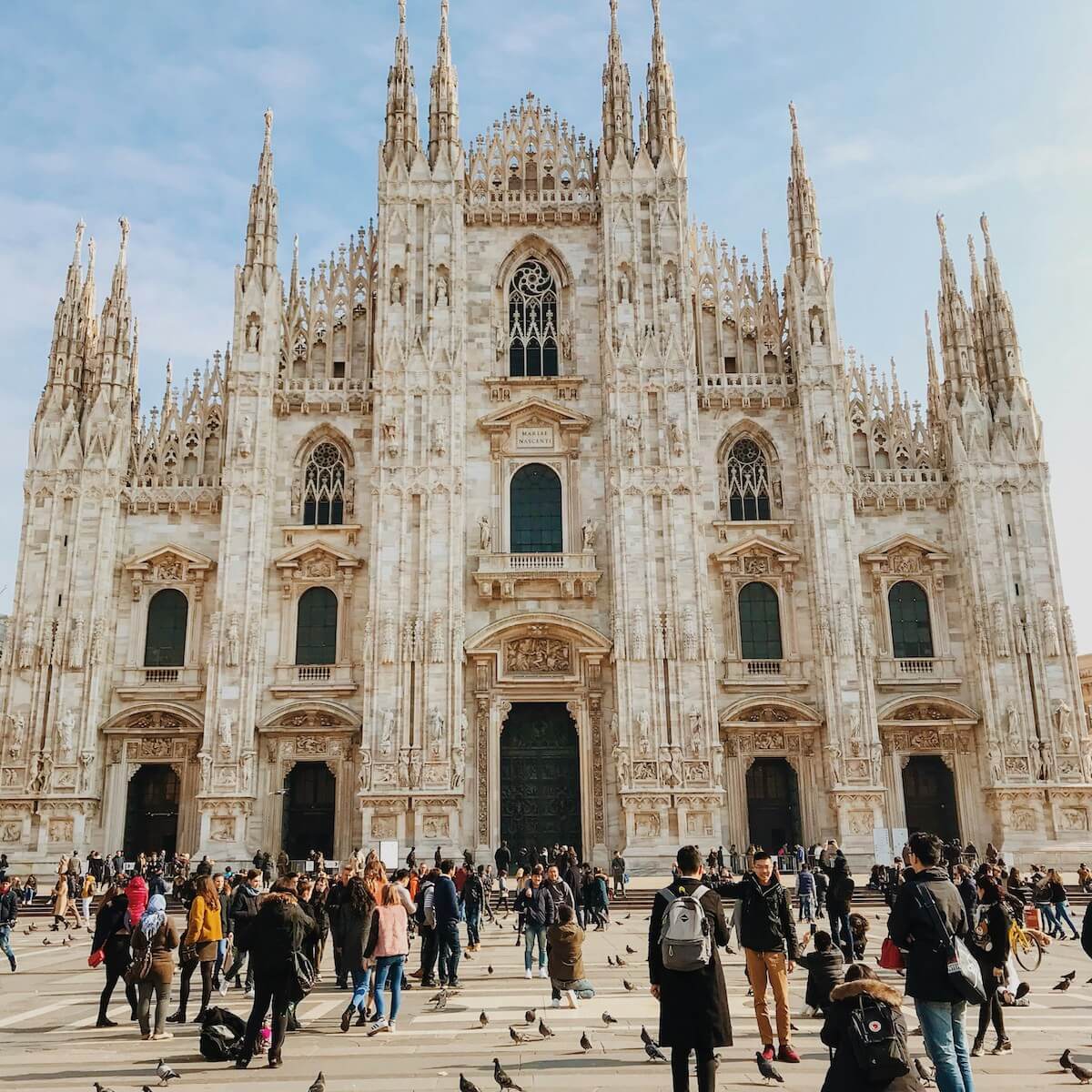
Milan is the city that serious creatives in Italy gravitate towards, and for good reason. It's the centre of the country's fashion, design, and advertising industries, home to some of the world's most respected studios and institutions, and a place where craft and commerce coexist in a way that's pretty unique. This guide covers the neighbourhoods, galleries, studios, and spots that matter for people working in the creative industries.

Milan operates at a different frequency to the rest of Italy. It's faster, more international, and more focused on work, which can feel like a contrast when you've just come from Rome or Florence, but it's also exactly what makes it such a productive place to be a creative. The design culture here is deeply embedded, the fashion industry sets global trends from these streets, and even the way the city looks and feels reflects decades of considered aesthetic thinking.
Discover the city’s most creative districts, from vibrant cultural quarters to emerging areas where artists, designers and makers shape the local scene.
Isola sits just north of Porta Garibaldi and has become Milan's most energetically creative neighbourhood over the last decade. Independent fashion labels, design studios, boutique bars, and galleries coexist on the same streets as long-time residents. Micamera, Ratanà, and Ceresio 7 are all within easy reach.
The Navigli is Milan's canal district, a stretch of 19th-century waterways lined with bars, restaurants, vintage shops, and artist studios. During the day it has a relaxed neighbourhood feel; in the evening it becomes one of the most sociable parts of the city for aperitivo. A natural gathering point for Milan's creative community.
Brera is Milan's most intimate neighbourhood, a preserved cluster of cobblestone streets and palazzos in the city centre that became an artists' quarter in the 19th century and never fully let go. The Pinacoteca di Brera, street-level galleries, and a network of design boutiques make it the natural starting point for any creative visit to the city.
Find inspiring coworking spaces where freelancers, studios and creative professionals work, collaborate and connect in a shared environment.
Talent Garden has one of its flagship campuses in Milan, a large community-driven coworking space bringing together designers, developers, startups, and creatives. The Milan locations are well-connected to the city's design ecosystem and host a strong programme of events and workshops throughout the year.
Copernico is one of Milan's most established coworking networks, with locations across the city including spaces in Isola and the central districts. The emphasis is on well-designed environments and community, making it a natural home for Milan's independent creative community.
Explore the cafés, bars and restaurants loved by creatives for meeting, working, socializing or simply finding inspiration over great food and drinks.
Pavé is one of Milan's best bakeries, known for exceptional brioches, croissants, and pastries all made by hand with quality ingredients. Based in Porta Venezia, the minimal yet welcoming space is always busy. Gambero Rosso rated it one of the top 20 bakeries in Italy.
Camparino in Galleria has been stationed inside the Galleria Vittorio Emanuele since 1915, with a gorgeous Liberty mosaic interior to match. Come for the Campari spritz served by white-coated waiters, and stay to people-watch one of the most beautiful arcades in the world.
Ratanà near Isola is one of the most respected restaurants in Milan for traditional Milanese and Lombard cooking — risotto alla Milanese, cotoletta, and seasonal produce prepared with genuine care. Set in a converted industrial building with a garden. Unpretentious and excellent.
Langosteria Bistrot in the Navigli is the more relaxed sibling of Milan's legendary Langosteria flagship, serving some of the freshest seafood in the city. Raw bar, crudi, and beautifully cooked fish in a buzzy setting that fills up fast, especially during design week.
Bar Basso is a Milan institution and the birthplace of the negroni sbagliato. This no-frills spot in Città Studi has been pouring giant cocktails in oversized glasses since 1947, drawing designers, artists, and night owls who spill out onto the street during aperitivo hour.
Dry Milano helped kick off the gourmet pizza movement in Italy back in 2013. In the Porta Garibaldi area, it pairs Neapolitan-style pies from a wood-fired oven with a serious cocktail list. The kind of place designers end up after a long day at the showrooms.
Nebbia is a low-key bistro in the Navigli doing contemporary twists on Italian classics with a strong natural wine list. The space is warm and unfussy, the cooking is confident, and the crowd tends to be exactly the kind of creative Milanese you'd want to end up sharing a table with.
Marchesi 1824 is Milan's oldest pasticceria, with the Prada-backed flagship on Via Monte Napoleone as the main destination. The pastries, panettone, and coffee are exceptional, and the beautifully preserved interior is a reminder that Milan has been doing this kind of refined daily ritual longer than almost anyone.
Ceresio 7 on the rooftop of a former ENEL building near Corso Como is a bar, restaurant, and pool bar that's become one of the go-to spots for Milan's fashion and design crowd. The view over the city is excellent, the food is good, and aperitivo on the terrace is one of the better ways to spend a Milan evening.
Terrazza Triennale on the top floor of the Triennale di Milano has a seasonal menu and one of the better rooftop views in the city over Parco Sempione. Worth going up even just for a drink. The café on the lower floor is a more casual option with the same good location.
Bar Luce inside Fondazione Prada was designed by Wes Anderson to evoke a classic Milanese café. The pastel interiors, vintage pinball machines, and period details are unmistakably his, but it works as a genuinely good place for coffee, a spritz, or lunch. The outdoor space is accessible without a museum ticket.
A curated selection of galleries, museums and contemporary art spaces that showcase the city’s cultural pulse and creative expression.
ADI Design Museum is home to the Compasso d'Oro collection, Italy's most prestigious design award dating back to 1954. Opened in 2021 in a converted industrial building in Porta Volta, its permanent collection traces the history of Italian design through objects that genuinely shaped the way we live.
Pirelli HangarBicocca is a vast contemporary art space in a former industrial complex in the Bicocca district, one of the largest in Europe. Free admission. The permanent installation by Anselm Kiefer — The Seven Heavenly Palaces — is alone worth the trip north of the city centre.
Triennale di Milano in Parco Sempione is Italy's only museum dedicated to design, applied arts, and architecture. The collection and rotating exhibitions are consistently strong, and the building itself — Palazzo dell'Arte, 1933 — is one of the finest examples of Italian rationalist architecture in the city.
Pinacoteca di Brera is one of Italy's most important art museums, housed in the grand Palazzo di Brera in the heart of the Brera district. The collection focuses on Northern Italian painting from the 13th to the 20th century, with masterpieces by Raphael, Caravaggio, and Mantegna. A fundamental stop in any serious Milan visit.
Fondazione Prada is an art foundation designed by OMA/Rem Koolhaas in a former gin distillery south of the city. The complex includes permanent installations by Louise Bourgeois and Damien Hirst, a cinema designed by the OMA/AMO team, and the Wes Anderson-designed Bar Luce. One of the most significant cultural additions to Milan in recent decades.
Browse design stores, bookshops and concept shops offering everything from art books to local design objects and creative inspiration.
Tenoha Milano is Europe's first Japanese concept store, housed in a 1920s former industrial building in the Navigli-Darsena area. Over 2,500 square metres of Japanese goods, a restaurant and bar with a garden, coworking spaces, and a regular programme of pop-ups and events.
10 Corso Como near Porta Garibaldi was one of the first concept stores in the world when Carla Sozzani opened it in 1990. It remains a genuinely good one: a curated edit of fashion, design objects, books, and music across a garden courtyard with a cafe and gallery. More than a shop — a point of view.
Micamera in Isola is a bookshop and gallery dedicated to photography, with a carefully curated selection of photobooks, prints, and zines from around the world. The staff are knowledgeable, the space hosts exhibitions and events, and it's become a genuine hub for Milan's photography and visual arts community.
Spazio Rossana Orlandi in the Magenta district is one of the most influential design galleries and concept stores in the world, housed in a former tie factory. Part gallery, part shop, part sun-drenched courtyard restaurant — it's where emerging and established designers are discovered, and where the international design world convenes during Salone del Mobile.
Discover hybrid spaces, community hubs and relaxed hangouts where creatives gather, collaborate and exchange ideas.
BASE Milano is a sprawling creative hub in the Tortona district, taking up 12,000 square metres of former industrial space. It hosts exhibitions, talks, workshops, concerts, and a lively coworking area. During Design Week it becomes one of the most exciting spots in the city.
Gogol & Company on Via Savona has been a Milanese institution since 2010 — part independent bookshop, part café, part coworking space, and part cultural venue. One of those rare spots where you can work all day, catch an evening talk or exhibition, and still feel like a local.
Join local meetups, creative circles and communities that bring people together through shared interests and collaborative energy.
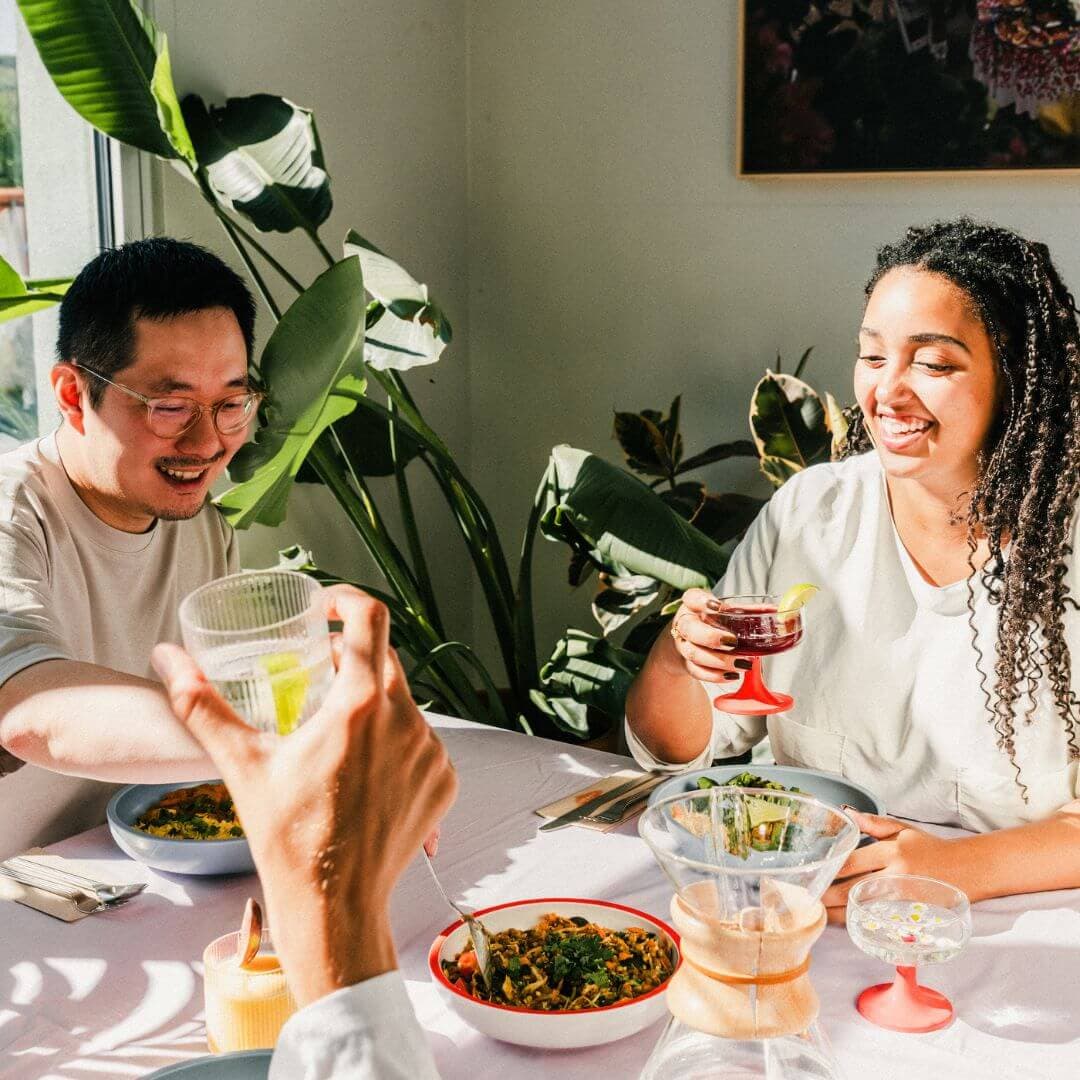
Whether you are a graphic designer, a photographer, a marketer, or a filmmaker, the Creative Lunch Club gives you the chance to regularly meet other creatives in your city for lunch.
Join the Creative Lunch Club and meet other professional creatives for lunch.CreativeMornings is a global series of free, monthly morning talks that bring creatives together for coffee, inspiration, and good vibes.
The Design Kids is a global community for emerging designers, with city meetups, interviews, jobs, and practical resources to help you build your folio and grow your career.
The key festivals, fairs and conferences that draw creative professionals together for talks, workshops, exhibitions and cultural experiences.
Digital Design Days is a digital design conference featuring keynotes, installations, and networking. It explores AI, UX/UI, 3D/VFX, Web3, branding, and immersive experiences.
Hands-on spaces offering tools, equipment and workshops for anyone interested in making, crafting, experimenting or bringing creative ideas to life.
Venues and stages that showcase live music, film screenings, performances and multidisciplinary shows across the city.
Parks, lookout points and outdoor spaces perfect for taking a break, finding inspiration or meeting others in a more relaxed setting.
A selection of design-forward and boutique hotels offering creative atmospheres, thoughtful interiors and inspiring stays for visiting creatives.
Nhow Milano on the Naviglio Grande is a design hotel with a maximalist aesthetic — bold colours, sculptural furniture, and a rooftop bar with views over the canal. It's one of the most visually distinctive hotels in the city and sits right in the heart of one of Milan's most creative neighbourhoods.
I love to get inspired by fellow creatives and the Creative Lunch Club makes this easy for me. The conversations during these lunches have always an energizing impact on me.
Creative Lunch Club is amazing! It makes it easy to connect with other creatives in your area, making new friends every month. I’ve really enjoyed my lunches so far.
The Creative Lunch Club is a fantastic initiative and a powerful network for me as a creative. Beyond sharing meals and meeting people, I made good friends and found clients over time. It was surprising to learn that CLC is present in many European cities, allowing me to stay connected even after moving.